Want to work for Perry? We're hiring! Apply online today or call us with any questions.

Perry is looking for our next Office Manager! Apply online today or call us to apply.
Want to work for Perry? We're hiring! Apply online today or call us with any questions.
Perry is looking for our next Office Manager! Apply online today or call us to apply.
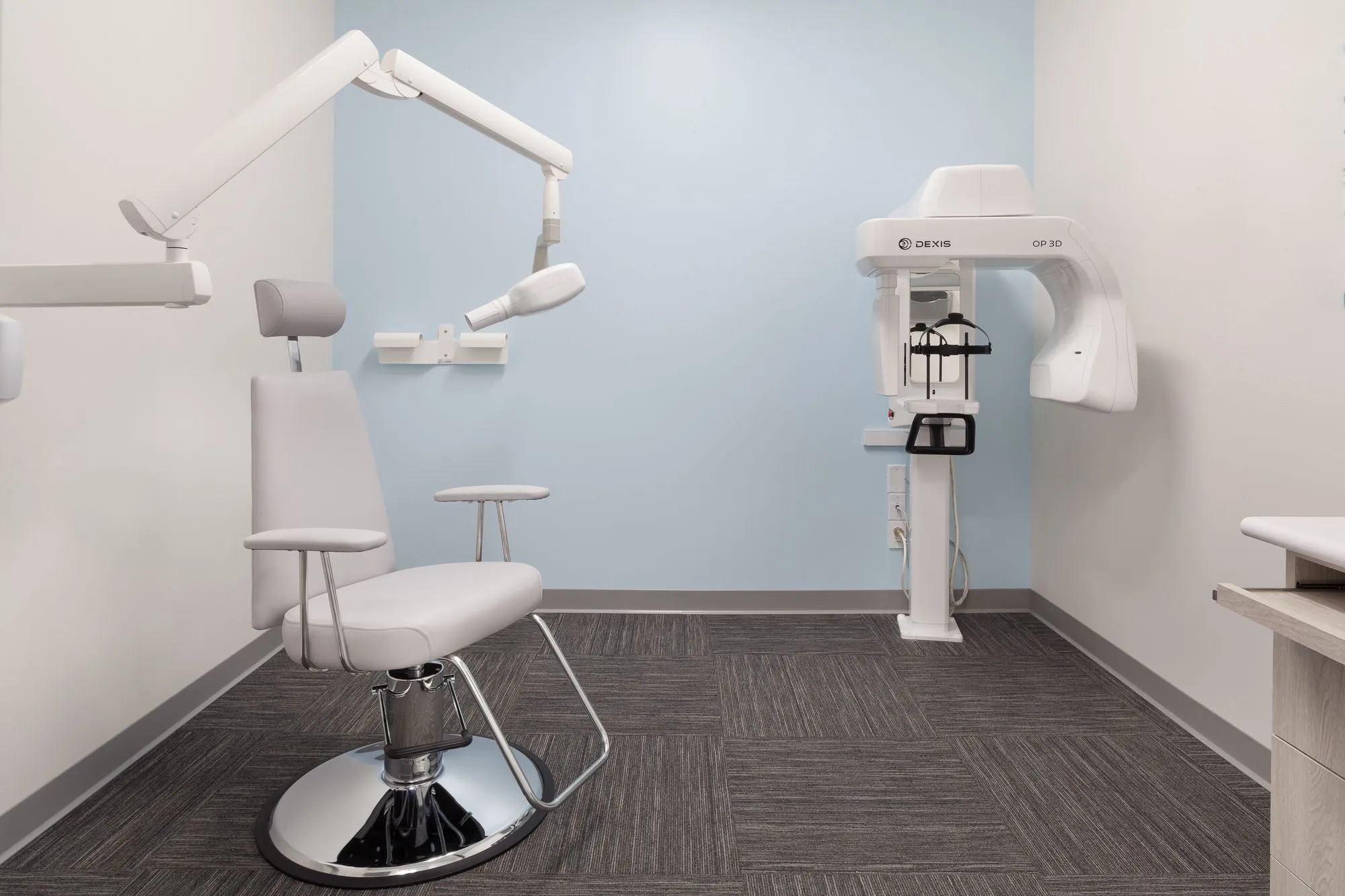
In our previous article, Before You Commit to Leasing Space for Your Dental Practice, we outlined two first steps: choose the right general location to reach your ideal patient base with help from an experienced commercial real estate agent, and evaluate potential spaces to confirm they can actually support a dental practice. We also shared what to check in a strip-center location. This article focuses on dental office construction in a multi-tenant, multi-story office building, and on where the surprises tend to hide. We will start with the big three: plumbing, HVAC and electrical.
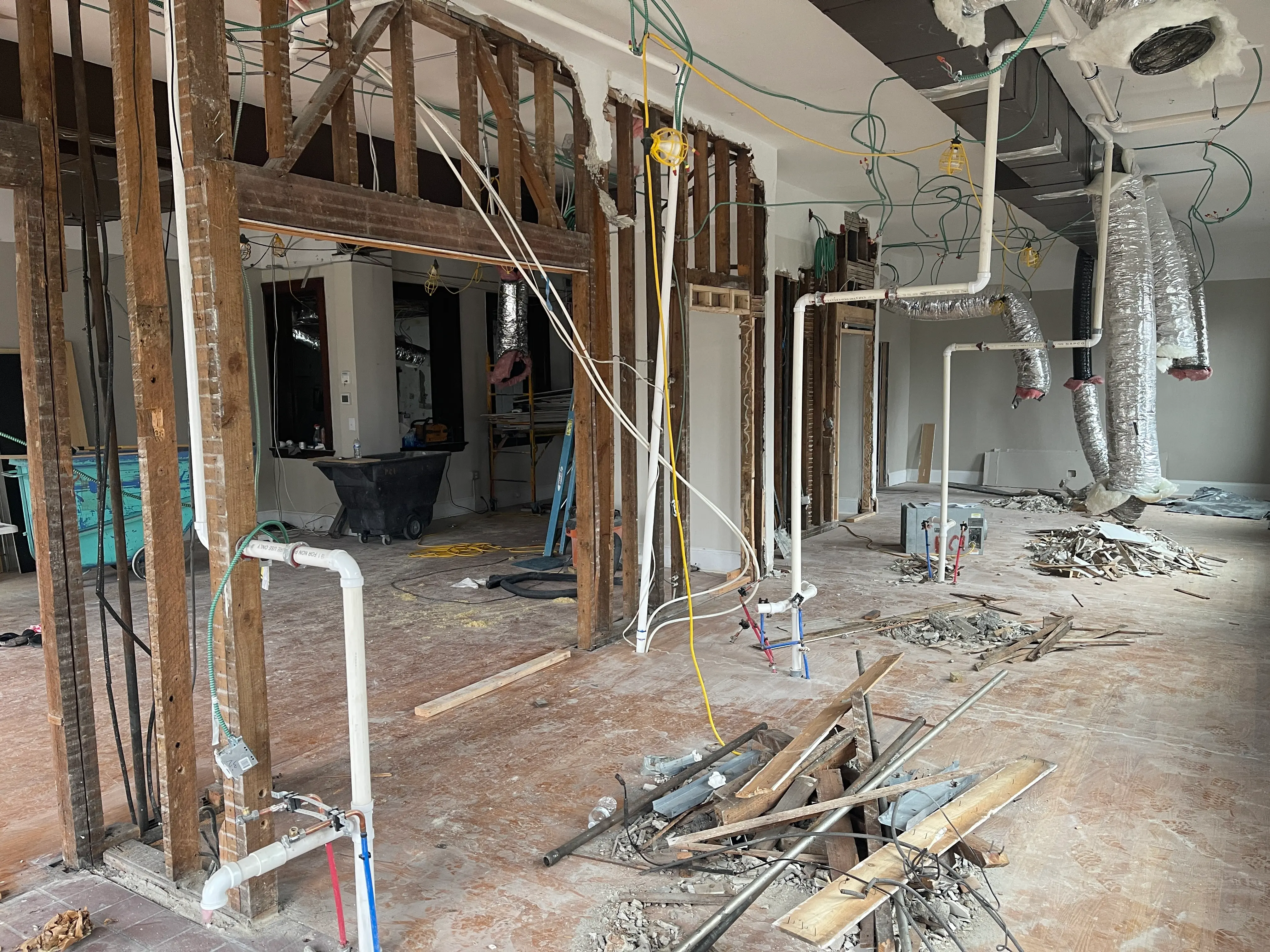
Before you commit to a space, understand how the plumbing works vertically and not only within your suite. Dental office plumbing in a multi-story building runs into questions a single-story space never raises. Ask whether there is an occupied tenant below you, because if there is, drains and vacuum lines often need to be installed above their ceiling, and that work typically happens at night. Confirm whether existing drain lines are nearby and adequately sized. Ask whether PVC can be used for drain and vacuum lines, which depends on the building's HVAC system. Identify where compressor and vacuum intakes and exhausts can be located, and what path they take to get there, including whether that path passes through multiple floors.
Dental offices place unusual demands on HVAC systems, and those demands grow in a shared building. Ask whether the building has ducted cold-air returns, because if it does, PVC piping may be allowed and costs less than cast iron or copper. Identify where exhaust from the equipment and IT rooms can discharge, and whether it needs to run through multiple floors or can tie into an existing building exhaust system. Confirm whether the HVAC system can handle the added exhaust air and still keep the office comfortable, and if it cannot, what upgrades or expansions are possible.
Dental equipment requires significant and dependable electrical capacity, so dental office electrical requirements deserve early attention in a multi-tenant building. If there is an existing electrical panel in the space, confirm whether it can stay where it is or needs to be relocated, whether it has enough capacity for dental equipment, and whether it is on a dedicated meter. If there is no panel in the space, find out how far away the building's electrical room is and whether there is enough available capacity to support your equipment load.
Multi-tenant, multi-story buildings come with logistical realities worth planning for early. Confirm that an elevator is convenient and large enough for patients, dental equipment and construction materials. Ask about noise restrictions and whether there are limits on when certain work can be performed. Plan for after-hours work, because if the space below you is occupied, plumbing, electrical and data work may have to happen nights or weekends, which often raises costs, especially when security is required.
Where you place the equipment room shapes both patient comfort and neighbor relations. Equipment should sit away from patient areas and away from sound-sensitive neighboring offices. Common solutions include quiet compressors and vacuums, sound attenuation added to the walls and ceilings of the equipment room during construction, and anti-vibration pads that isolate equipment from the structure. Handling noise and vibration control during dental office construction is far easier to design in from the start than to retrofit later.
This list is not exhaustive, but it can help you identify a strong location or avoid costly surprises during construction. Bring these questions with you when you tour potential spaces. Better yet, bring a trusted contractor with deep experience in dental construction, someone who knows where problems tend to surface and how to solve them before they affect your timeline or budget. That is how you move forward with clarity and a space that supports your practice.
When a tenant occupies the space below you, work that touches their ceiling, such as running drains, vacuum lines, electrical and data, often has to happen at night or on weekends to avoid disrupting their business. That after-hours schedule raises labor costs and may require building security. Plan for it early, because it affects both your timeline and your budget.
Sometimes. Whether PVC is allowed for drain and vacuum lines depends on the building's HVAC design, specifically whether it has ducted cold-air returns. Where PVC is permitted, it costs less than cast iron or copper. This is one of the first things to confirm, because it affects your plumbing budget.
The equipment room is the main source of noise and vibration, so it should sit away from patient areas and from sound-sensitive neighbors. Solutions include quiet compressors and vacuums, sound attenuation in the equipment room walls and ceiling, and anti-vibration pads that isolate equipment from the building structure. Designing these in during construction is far more effective than adding them afterward.
YOUR DENTAL OFFICE CONSTRUCTION PARTNER
Perry Contracting builds dental offices throughout Greater Cincinnati and Northern Kentucky, including complex projects in multi-tenant, multi-story buildings. If you are evaluating a shared building for your practice, bring us in early so you can plan around the surprises before they reach your budget. Get started today.